
Infection control remains a critical challenge in nursing homes, where residents often have weakened immune systems and close living quarters increase the risk of disease spread.
Effective cleaning practices play a vital role in reducing infections and protecting vulnerable populations. This post explores practical cleaning strategies that nursing homes can implement to maintain a safe and healthy environment.
Why Infection Control Matters in Nursing Homes
Nursing homes house elderly individuals who are more susceptible to infections due to age-related immune decline and chronic health conditions. Common infections include respiratory illnesses, urinary tract infections, and gastrointestinal diseases. These infections can spread quickly in communal settings, leading to outbreaks that affect many residents and staff.
Proper cleaning reduces the presence of harmful bacteria, viruses, and fungi on surfaces. This lowers the chance of transmission through contact with contaminated objects or environments. Maintaining strict infection control standards also helps nursing homes comply with health regulations and avoid costly penalties.
Key Cleaning Practices for Infection Control
Focus on High-Touch Surfaces
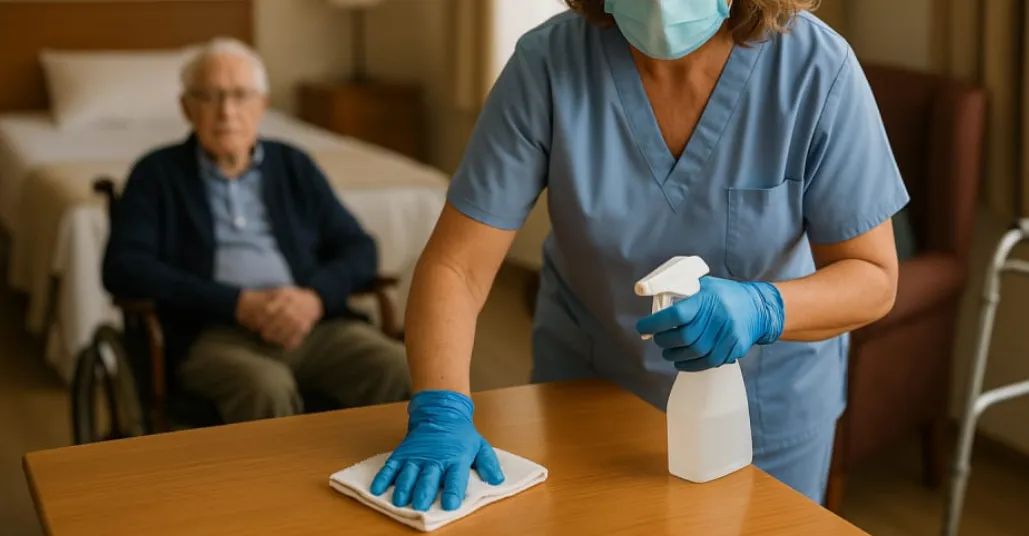
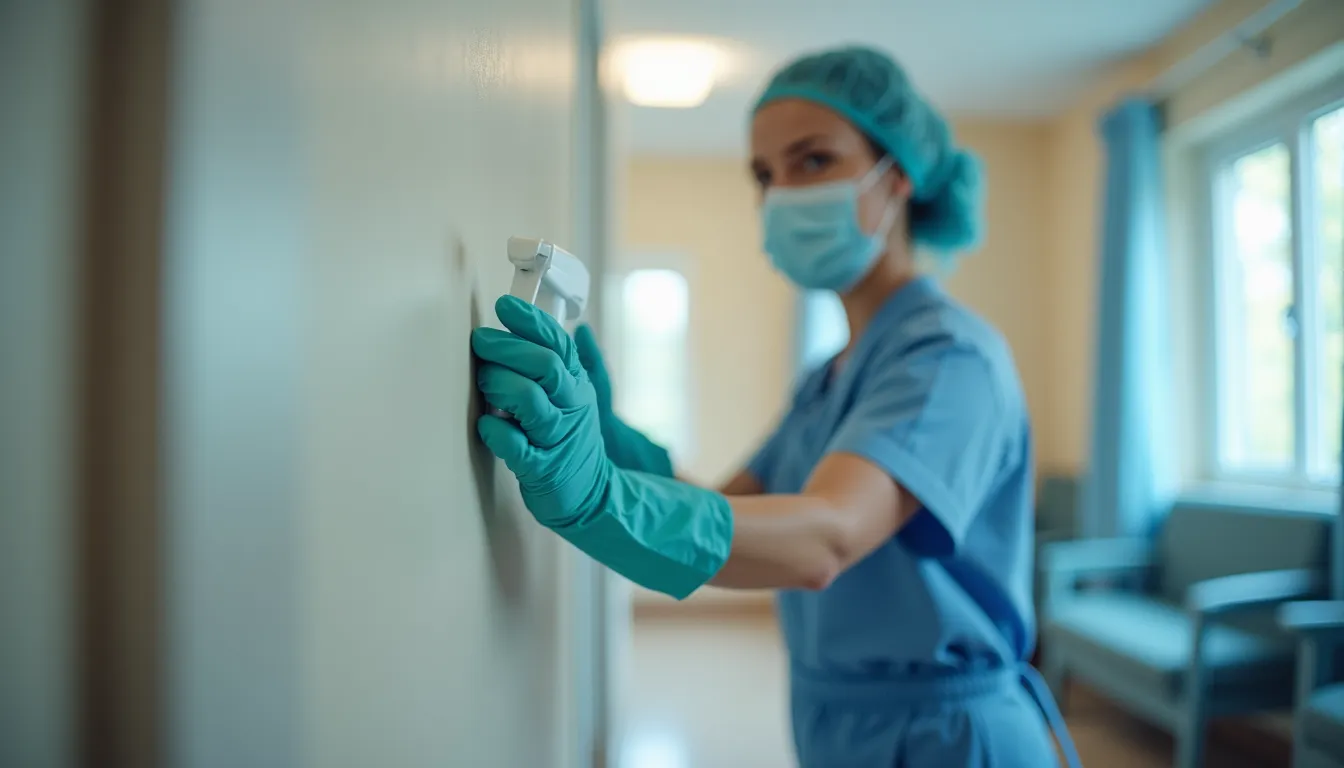
High-touch surfaces such as door handles, light switches, bed rails, and call buttons harbor germs that spread infections. Cleaning staff should prioritize these areas with disinfectants proven effective against common pathogens. Cleaning schedules must include multiple daily cleanings of these surfaces, especially during flu season or outbreaks.
Use Appropriate Cleaning Agents
Not all cleaning products kill the same types of germs. Nursing homes should select EPA-registered disinfectants that target bacteria and viruses commonly found in healthcare settings. Staff must follow manufacturer instructions for dilution, contact time, and safety precautions to ensure effectiveness.
Train and Monitor Cleaning Staff
Proper training ensures cleaning personnel understand infection risks and correct cleaning techniques. Training should cover:
- How to use disinfectants safely and effectively
- The importance of wearing personal protective equipment (PPE)
- Procedures for cleaning rooms after resident discharge or illness
Regular monitoring and audits help maintain high standards and identify areas for improvement.
Implement Routine Deep Cleaning
Routine cleaning removes surface dirt, but deep cleaning targets hidden germs in carpets, upholstery, and ventilation systems. Nursing homes should schedule periodic deep cleaning using steam cleaning, UV light, or fogging methods to reduce microbial load in the environment.
Promote Hand Hygiene and Waste Management
Cleaning alone cannot stop infections without good hand hygiene. Nursing homes must provide accessible hand sanitizer stations and encourage frequent handwashing among staff and residents. Proper disposal of medical and general waste also prevents contamination and pest infestations.
Practical Examples of Effective Cleaning Protocols
- Daily Checklists: Nursing homes that use detailed cleaning checklists report fewer infection outbreaks. These lists ensure no area is overlooked and provide accountability.
- Color-Coded Cleaning Tools: Assigning specific mops and cloths to different areas (e.g., bathrooms, dining rooms) prevents cross-contamination.
- Immediate Response to Spills: Prompt cleaning of spills, especially bodily fluids, reduces pathogen spread. Staff should be trained to respond quickly with appropriate disinfectants.

The Role of Leadership in Infection Control
Leadership commitment is essential for sustaining effective cleaning practices. Nursing home administrators should:
- Allocate sufficient budget for quality cleaning products and equipment
- Support ongoing staff training and certification
- Foster a culture of safety where infection control is a shared responsibility
By prioritizing infection control, nursing homes protect residents’ health and improve overall care quality.
Need Professional Nursing Home Cleaning?
Maintaining a clean, safe, and hygienic nursing home requires expertise, consistency, and attention to detail. At Effective Cleaning Services , we provide professional nursing home cleaning tailored to the needs of care facilities, helping create a healthier environment for residents, staff, and visitors.
If you're looking for reliable nursing home cleaning services in Dublin, our experienced team is here to help. Contact us today to discuss your requirements and receive a customised cleaning solution for your facility.