Keeping a home clean can feel overwhelming, especially when some rooms get less attention than others. Certain spaces tend to accumulate dirt, dust, and grime without us noticing, making deep cleaning essential to maintain a healthy and comfortable living environment. This post highlights the rooms that often need more attention for deep cleaning and offers practical tips to tackle them effectively.
Why Some Rooms Get Neglected
Rooms like bedrooms, living rooms, and kitchens usually receive regular cleaning because we spend a lot of time there or food preparation happens. However, other areas such as bathrooms, laundry rooms, and storage spaces often get overlooked. These rooms can harbor bacteria, mold, and unpleasant odors if not cleaned thoroughly. Recognizing which rooms need more attention is the first step toward a cleaner home.
The Bathroom Needs More Than a Quick Wipe
Bathrooms are one of the most used rooms but often receive only surface cleaning. Deep cleaning here is crucial to prevent mold, mildew, and bacteria buildup.
- Scrub grout and tiles: Use a mixture of baking soda and vinegar or a commercial grout cleaner to remove stains and mildew from tile grout lines.
- Clean showerheads and faucets: Mineral deposits can clog showerheads. Soak them in vinegar overnight to dissolve buildup.
- Disinfect toilet and sink: Use a disinfectant cleaner to kill germs on all surfaces, including under the rim of the toilet.
- Wash shower curtains and mats: Fabric shower curtains and bath mats can harbor mold. Wash them regularly or replace if needed.
- Ventilation check: Clean or replace bathroom exhaust fans to reduce moisture and prevent mold growth.
Laundry Room Often Overlooked but Critical
Laundry rooms can accumulate lint, detergent residue, and dust, which can affect appliance efficiency and air quality.
- Clean lint traps and vents: Remove lint from the dryer trap after every use and clean the vent duct at least once a year to prevent fire hazards.
- Wipe down washer and dryer: Clean the exterior and interior of machines to remove detergent buildup and dirt.
- Organize supplies: Declutter detergent bottles, fabric softeners, and other supplies to keep the area tidy.
- Floor and walls: Mop floors and wipe walls to remove dust and detergent splashes.
Storage Rooms and Closets Collect Dust and Clutter
Storage spaces often become dumping grounds for unused items and dust, making them prime candidates for deep cleaning.
- Declutter first: Sort through items and donate or discard what you no longer need.
- Dust shelves and corners: Use a microfiber cloth or vacuum with a brush attachment to remove dust.
- Clean floors thoroughly: Sweep and mop or vacuum carpets to remove dirt.
- Use storage bins: Organize items in labeled bins to keep the space neat and easier to clean next time.
The Kitchen Needs Attention Beyond the Countertops
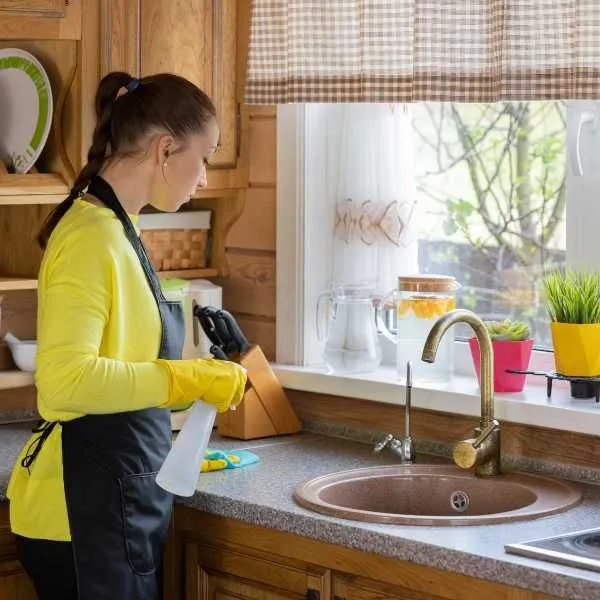
While kitchen counters get wiped daily, other areas often get ignored but require deep cleaning to avoid grease buildup and pests.
- Clean behind appliances: Move the refrigerator, stove, and dishwasher to clean dust and food debris underneath.
- Deep clean oven and microwave: Use appropriate cleaners or natural solutions like baking soda paste to remove baked-on grime.
- Wipe cabinet fronts and handles: Grease and fingerprints accumulate here and can be cleaned with mild soap and water.
- Clean sink drains: Use a mixture of baking soda and vinegar followed by hot water to clear odors and buildup.
Living Rooms Can Hide Dust and Allergens
Living rooms are social hubs but often hide dust in upholstery, carpets, and electronics.
- Vacuum upholstery and curtains: Use attachments to clean sofas, chairs, and drapes.
- Dust electronics and shelves: Use a microfiber cloth to remove dust from TVs, speakers, and shelves.
- Clean carpets and rugs: Steam clean or shampoo carpets to remove deep dirt and allergens.
- Wash throw pillows and blankets: These can trap dust mites and should be cleaned regularly.
Bedrooms Need More Than Just Bed-Making
Bedrooms can accumulate dust mites, dead skin cells, and allergens that affect sleep quality.
- Wash bedding weekly: Sheets, pillowcases, and blankets should be washed in hot water.
- Vacuum mattresses: Use a vacuum with a HEPA filter to remove dust and allergens.
- Clean under the bed: Dust and clutter often gather here and should be cleared regularly.
- Dust furniture and light fixtures: Use a damp cloth to remove dust from nightstands, dressers, and lamps.
Tips for Efficient Deep Cleaning
- Create a schedule: Break down deep cleaning tasks by room and spread them over weeks or months.
- Use the right tools: Microfiber cloths, scrub brushes, vacuum attachments, and natural cleaners can make the job easier.
- Declutter first: Removing unnecessary items helps clean surfaces more effectively.
- Work top to bottom: Clean ceilings, walls, and shelves before floors to avoid re-cleaning.
- Wear gloves and masks: Protect yourself from harsh chemicals and dust.