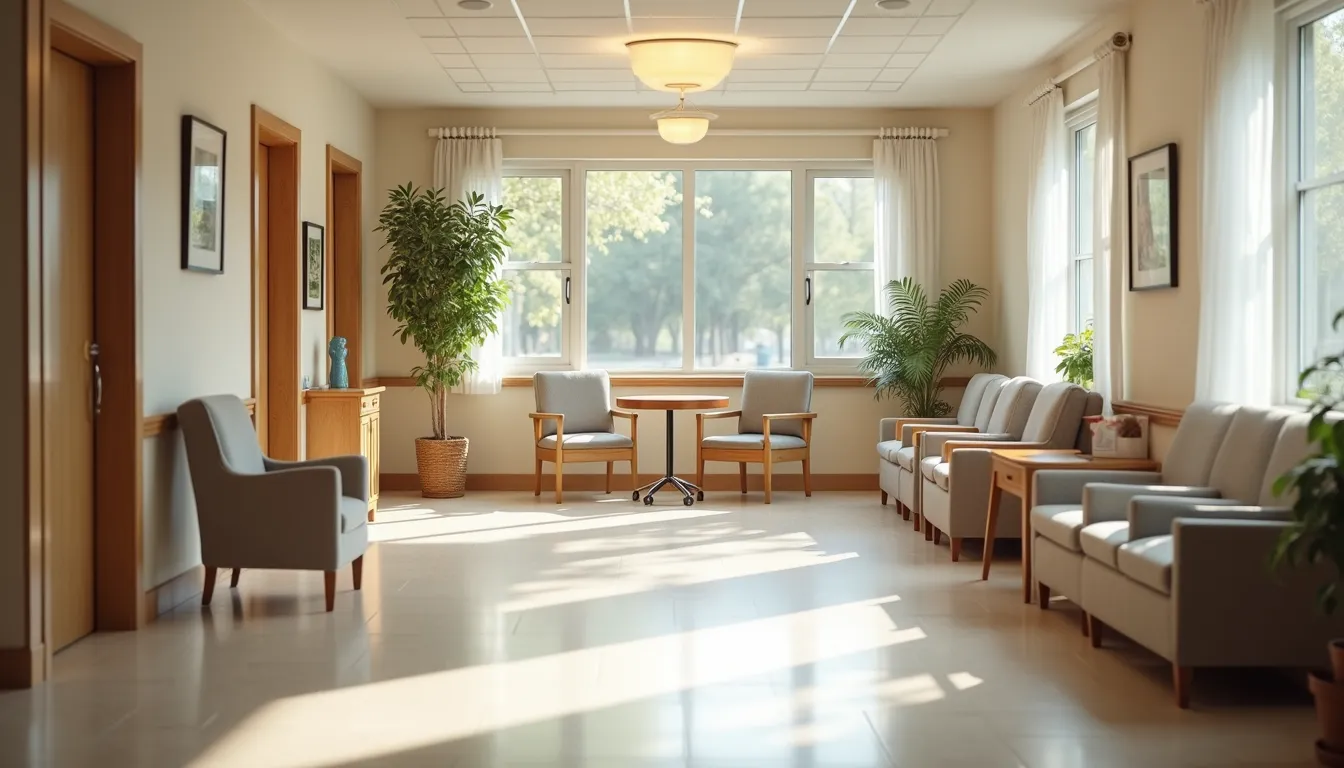
Maintaining cleanliness in nursing homes and care facilities is more than just a routine task. It is a critical factor that directly impacts the health, safety, and well-being of residents. These environments house some of the most vulnerable individuals, often with weakened immune systems and chronic health conditions. Cleanliness helps prevent infections, promotes comfort, and supports a positive atmosphere for both residents and staff.
Why Cleanliness Matters in Care Facilities
Nursing homes and care facilities face unique challenges when it comes to hygiene. Residents often require close personal care, which increases the risk of spreading germs. Common areas, shared equipment, and frequent contact with healthcare workers create multiple opportunities for contamination.
Key reasons cleanliness is essential include:
- Infection prevention: Proper cleaning reduces the spread of bacteria, viruses, and fungi that cause illnesses such as influenza, norovirus, and MRSA.
- Resident comfort: A clean environment improves mental well-being and reduces stress for residents.
- Staff safety: Clean workspaces protect caregivers from exposure to harmful pathogens.
- Regulatory compliance: Facilities must meet hygiene standards set by health authorities to maintain licenses and avoid penalties.
Effective Cleaning Practices in Nursing Homes
To maintain high standards, care facilities need a comprehensive cleaning strategy tailored to their specific needs. This includes daily routines, deep cleaning schedules, and staff training.
Daily Cleaning Tasks
- Disinfect high-touch surfaces: Door handles, handrails, light switches, and call buttons should be cleaned multiple times a day.
- Sanitize shared equipment: Wheelchairs, walkers, and medical devices require regular disinfection.
- Maintain resident rooms: Beds, bedside tables, and bathrooms must be cleaned thoroughly every day.
- Trash removal: Waste should be disposed of promptly to avoid odors and contamination.
Deep Cleaning and Specialized Procedures
- Weekly deep cleaning: Floors, carpets, curtains, and upholstery need intensive cleaning to remove dirt and allergens.
- Bathroom sanitation: Toilets, sinks, and showers require strong disinfectants to prevent microbial growth.
- Air quality management: Ventilation systems should be cleaned and filters replaced regularly to reduce airborne pathogens.
- Laundry protocols: Bedding and clothing must be washed at high temperatures with appropriate detergents.
Staff Training and Hygiene
Cleaning effectiveness depends on well-trained staff who understand infection control principles. Training should cover:
- Proper use of cleaning agents and disinfectants
- Correct cleaning techniques and sequences
- Use of personal protective equipment (PPE)
- Hand hygiene and glove use
- Reporting and managing contamination incidents
The Impact of Cleanliness on Resident Health
Research shows that improved hygiene in care facilities significantly lowers infection rates. For example, a study published in the American Journal of Infection Control found that enhanced cleaning protocols reduced respiratory infections by 30% in nursing homes.
Cleanliness also supports residents’ mental health. A tidy, pleasant environment helps reduce anxiety and depression, which are common in long-term care settings. Residents feel more dignified and cared for when their surroundings are clean.
Challenges and Solutions in Maintaining Cleanliness
Nursing homes face several obstacles in keeping facilities clean:
- High resident turnover: Frequent admissions and discharges increase contamination risks.
- Limited staff resources: Staffing shortages can reduce cleaning frequency and thoroughness.
- Resident mobility issues: Some residents may resist cleaning efforts or require assistance.
- Budget constraints: Cleaning supplies and equipment can be costly.
To overcome these challenges, facilities can:
- Implement checklists and schedules to ensure consistent cleaning.
- Use effective, safe cleaning products that work quickly and reduce chemical exposure.
- Employ technology such as UV light disinfection or electrostatic sprayers.
- Foster a culture of cleanliness where all staff, including healthcare workers, participate in hygiene practices.
- Engage residents and families in understanding the importance of cleanliness.
Cleanliness and Quality of Life
Clean environments contribute to a higher quality of life for nursing home residents. Beyond physical health, cleanliness affects social interactions, mobility, and overall satisfaction. Residents are more likely to participate in activities and socialize when they feel comfortable and safe.
Families also notice the difference. A clean facility reassures them that their loved ones receive proper care. This trust strengthens relationships between families and care providers.