Cleanliness in nursing homes and care facilities is not just about appearances. It plays a critical role in protecting the health and well-being of residents, many of whom have weakened immune systems and are vulnerable to infections. Maintaining a clean environment reduces the risk of illness, improves comfort, and supports a higher quality of life for residents. This article explores why cleanliness matters so much in these settings and offers practical insights into effective cleaning practices.
Why Cleanliness Matters in Care Facilities
Nursing homes house elderly individuals and people with chronic conditions who are more susceptible to infections. Germs can spread quickly in shared spaces, leading to outbreaks of illnesses such as influenza, norovirus, or even antibiotic-resistant bacteria. Cleanliness helps:
- Prevent infections by removing harmful bacteria and viruses from surfaces.
- Reduce cross-contamination between residents and staff.
- Create a safe environment that supports recovery and comfort.
- Enhance mental well-being by providing a pleasant and orderly space.
Research shows that thorough cleaning and disinfection can lower infection rates significantly. For example, a study published in the American Journal of Infection Control found that enhanced cleaning protocols in nursing homes reduced respiratory infections by up to 30%.
Key Areas to Focus on for Effective Cleaning
Certain areas in nursing homes require special attention because they are high-touch or prone to contamination:
- Resident rooms: Bed rails, bedside tables, call buttons, and light switches.
- Common areas: Dining rooms, lounges, and activity rooms where residents gather.
- Bathrooms: Toilets, sinks, and grab bars must be sanitized frequently.
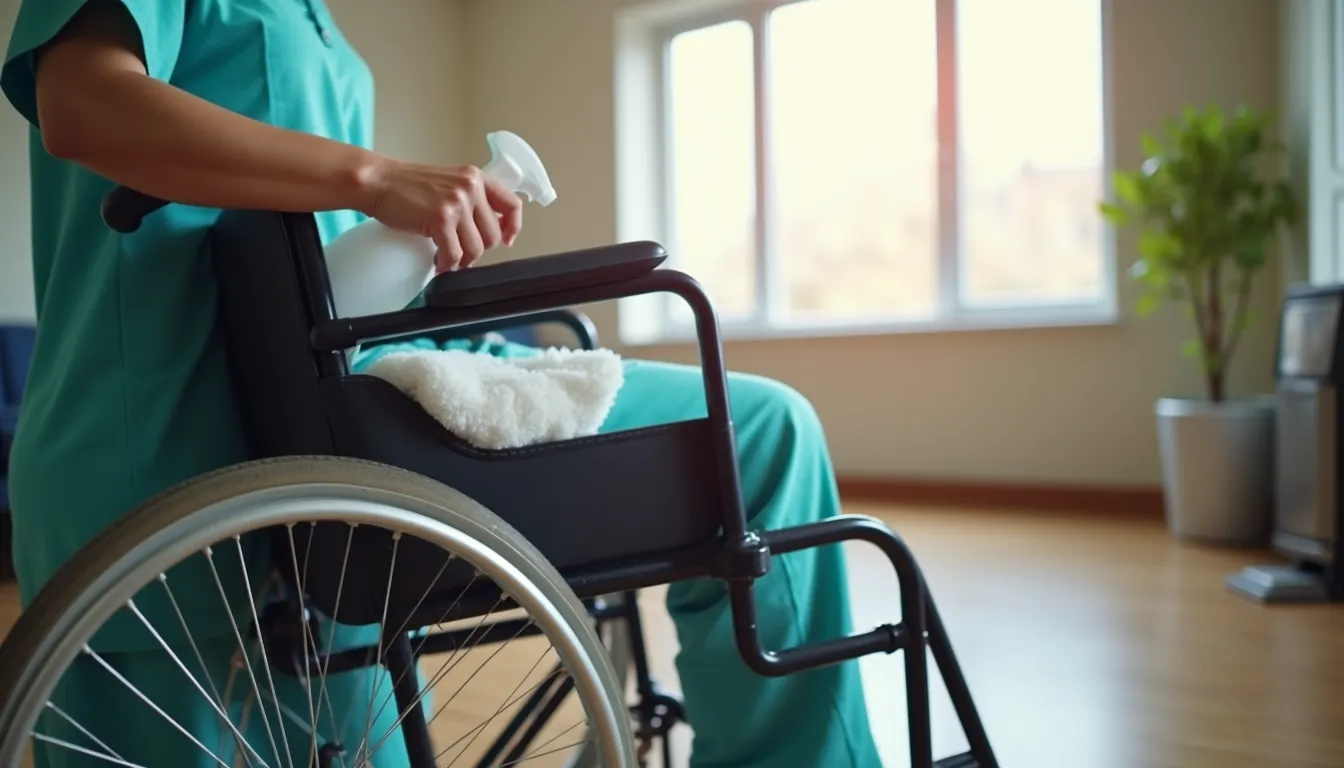
- Medical equipment: Wheelchairs, walkers, and blood pressure cuffs need regular disinfection.
- Staff areas: Nurse stations and break rooms to prevent staff from spreading germs.
Using appropriate cleaning agents and following manufacturer guidelines for disinfectants ensures that surfaces are not only clean but also safe for residents.
Best Practices for Maintaining Cleanliness
Implementing strong cleaning protocols requires a combination of training, scheduling, and monitoring:
- Staff training: Caregivers and cleaning personnel should receive regular training on hygiene standards, proper use of cleaning products, and infection control.
- Routine cleaning schedules: Establish daily, weekly, and monthly cleaning tasks to ensure no area is overlooked.
- Use of personal protective equipment (PPE): Gloves and masks protect both staff and residents during cleaning.
- Proper waste disposal: Handling medical and general waste carefully prevents contamination.
- Resident involvement: Encouraging residents to maintain personal hygiene and keep their spaces tidy supports overall cleanliness.
Technology can also help. For example, ultraviolet (UV) light devices and electrostatic sprayers are increasingly used to disinfect rooms more effectively.
The Impact of Cleanliness on Resident Experience
Cleanliness affects more than just physical health. A clean environment contributes to residents’ dignity and comfort. It reduces odors, clutter, and the risk of falls caused by spills or debris. Residents often feel more at ease and respected when their surroundings are well cared for.
Families also notice the difference. A clean facility reassures them that their loved ones are in a safe and caring place. This trust is essential for maintaining good relationships between staff, residents, and families.
Challenges and Solutions
Maintaining cleanliness in nursing homes can be challenging due to:
- Limited staffing: High workloads may reduce time available for thorough cleaning.
- Resident mobility: Some residents may resist cleaning efforts or have difficulty maintaining personal hygiene.
- Budget constraints: Quality cleaning supplies and equipment can be costly.
Solutions include:
- Prioritizing cleaning tasks based on risk areas.
- Using efficient cleaning tools that save time.
- Providing ongoing education to staff and residents.
- Seeking feedback from residents and families to identify problem areas.