

Cleanliness in nursing homes and care facilities plays a vital role in protecting residents' health and improving their quality of life. These environments house vulnerable individuals who often have weakened immune systems, making them more susceptible to infections and illnesses. Maintaining a clean and hygienic setting is not just about appearances; it directly impacts residents' safety, comfort, and overall well-being.
Preventing Infections and Promoting Health
One of the most critical reasons for maintaining cleanliness in nursing homes is infection control. Residents often live in close quarters, which increases the risk of contagious diseases spreading quickly. Common infections include respiratory illnesses, urinary tract infections, and skin infections. Proper cleaning routines reduce the presence of harmful bacteria, viruses, and fungi on surfaces and in the air.
Effective cleaning protocols involve:
- Regular disinfection of high-touch surfaces such as door handles, bed rails, and light switches
- Proper laundry handling to prevent cross-contamination
- Safe disposal of medical and general waste
- Frequent hand hygiene practices among staff and visitors
Studies show that nursing homes with strict cleaning standards report fewer outbreaks of infections. For example, after implementing enhanced cleaning measures, one facility reduced respiratory infection rates by 30% within six months. This demonstrates how cleanliness directly supports residents' health.
Enhancing Comfort and Mental Well-being
Clean surroundings contribute to residents' comfort and dignity. A tidy, odor-free environment helps reduce stress and anxiety, which are common among elderly individuals living away from home. Cluttered or dirty spaces can cause confusion or agitation, especially for those with cognitive impairments like dementia.
Care facilities that prioritize cleanliness often see improvements in residents’ mood and social interactions. When rooms and common areas are well-maintained, residents feel more at ease and are more likely to engage in activities and socialize. This positive atmosphere supports mental health and overall happiness.
Supporting Staff Efficiency and Safety
Cleanliness also benefits nursing home staff by creating a safer and more efficient workplace. When cleaning supplies and equipment are well-organized and readily available, staff can perform their duties more effectively. A clean environment reduces the risk of slips, trips, and falls, which are common hazards in care settings.
Moreover, clear protocols for cleaning and infection control help staff focus on providing quality care without worrying about preventable health risks. Training staff on proper cleaning techniques and hygiene practices is essential to maintaining high standards.
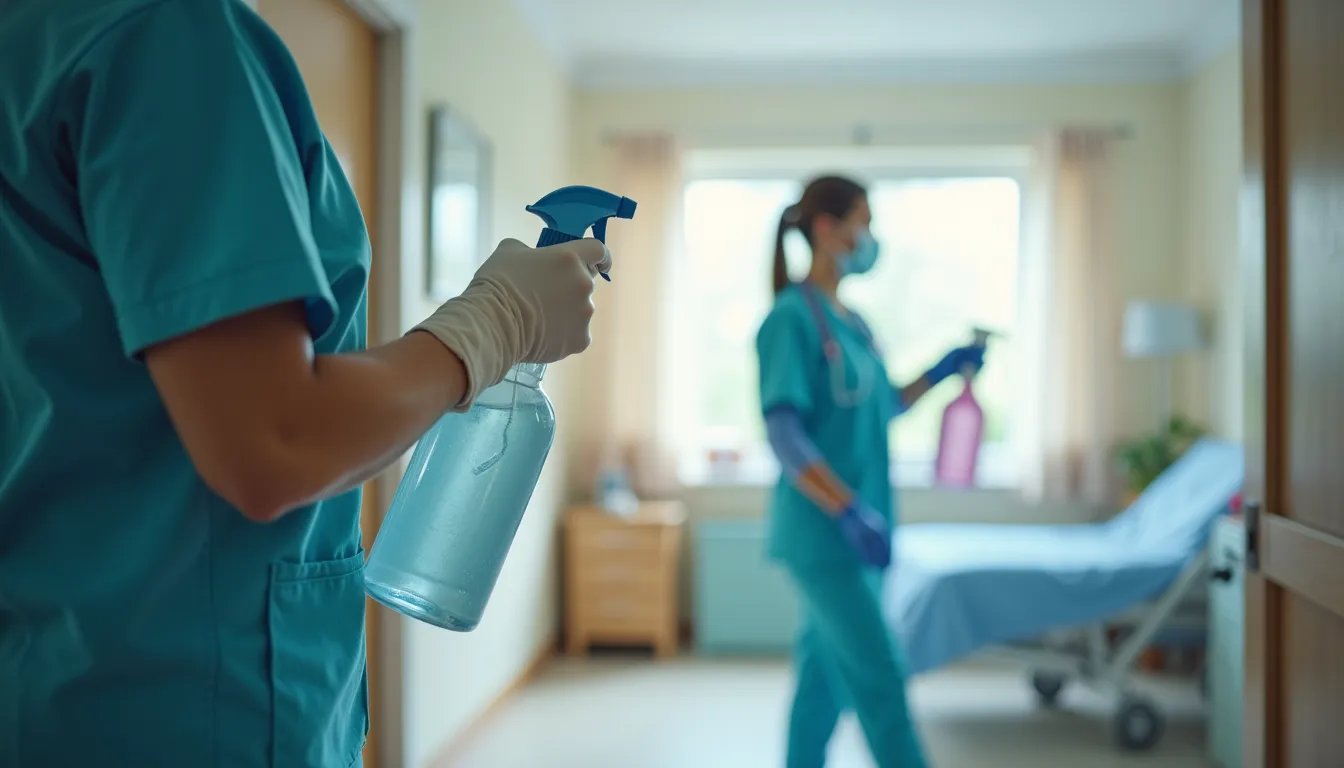
Practical Steps for Maintaining Cleanliness
Nursing homes can adopt several practical measures to ensure cleanliness remains a top priority:
- Scheduled cleaning routines: Establish daily, weekly, and monthly cleaning tasks covering all areas, including resident rooms, dining halls, bathrooms, and common spaces.
- Use of appropriate cleaning agents: Select disinfectants effective against a broad range of pathogens but safe for residents and staff.
- Regular audits and inspections: Conduct frequent checks to identify areas needing improvement and ensure compliance with hygiene standards.
- Resident and family involvement: Educate residents and their families about the importance of cleanliness and encourage cooperation in maintaining personal and shared spaces.
- Ventilation and air quality: Maintain good airflow to reduce airborne contaminants and improve indoor air quality.
Implementing these steps requires commitment from management and staff but leads to safer, healthier living conditions.

The Bigger Picture: Cleanliness and Quality of Care
Cleanliness is a fundamental part of quality care in nursing homes. It reflects the facility’s commitment to residents' health and dignity. Families often judge care quality based on the cleanliness of the environment, making it a key factor in reputation and trust.
Beyond infection control and comfort, a clean environment supports other care goals such as nutrition, mobility, and social engagement. For example, clean dining areas encourage residents to eat well, while tidy activity rooms promote participation in social events.
In our experience, nursing homes that invest in cleanliness see better health outcomes, fewer hospitalizations, and higher resident satisfaction. These benefits highlight why cleanliness should never be overlooked in care planning.